Guides
The questions around the subscriptions rather than about them: what Prime covers, where free audiobooks come from, and how to start listening without giving up.
Advertising disclosure · we are paid for this
New customers only. 30 days free, then it renews automatically at the monthly rate shown at signup unless you cancel first. Terms verified 17 September 2026.
Free trial for eligible customers. Amazon shows the length and the price on the signup page, and the trial converts to a paid month automatically unless you cancel. Terms verified 14 September 2026.
#ad · The link goes straight to Audible's own free-trial signup page and Amazon's Kindle Unlimited signup page, and we are paid a flat fee if you start a qualifying trial there. It costs you nothing extra and it does not change what we conclude on this page. Full disclosure.
These are the pages about the surrounding questions rather than the subscriptions themselves — the things people are actually confused about before they get as far as comparing plans. Three of them are about spending less money, which is an odd thing for a site funded by signups to publish, and is rather the point.
Start with the free routes
Where free audiobooks actually come from lists the three real sources: your public library through Libby, public-domain recordings from volunteer projects, and free trials used deliberately. We earn nothing from the first two, which is exactly why they come first. For a lot of readers those cover everything, and no subscription is necessary. If you have already exhausted the free routes, the third one is a trial used on purpose: you can start your free Audible trial or try Kindle Unlimited free, finish something inside the window, and cancel before it renews. If you are wondering whether to wait for a better deal first, promo codes and longer free trials sets out what we could and could not find on the programs' own signup pages. And if you have already tried and the signup page would not give you a trial at all, why the free trial will not start lists the causes Audible actually publishes, including the one that charges you a full month at the regular price if you sign up in the wrong place.
Buying for a reader, and the November question
The gift guides are written for the person buying, who may know nothing about either program. Gifts for audiobook lovers is the parent page, arranged by budget from free to no-limit, and it starts with the one question that decides everything: whether the recipient already subscribes. Around it sit gifts for book lovers who read on a Kindle, gifts for commuters, gifts for parents and grandparents, gifts for new parents and last-minute gifts that arrive by email. Every one of them says the same uncomfortable thing: for someone who has never subscribed, the free trial is a better present than a gifted membership. And the Black Friday and Cyber Monday hub records what actually discounted in each of the last three Novembers, with dates and sources, what never does, and only the offers we have verified on the programs' own pages today.
Clear up the Prime confusion
Two of the most common questions in this whole category are whether Audible is free with Prime and whether Kindle Unlimited comes with it. Both answers are no, and the confusion is entirely understandable — Amazon owns all three, signs you into them with one account, and bills them to the same card. What Prime actually includes sets out the reading side and, more usefully, tells you how to check your own account rather than trusting an article that may describe a benefit line-up Amazon has since changed.
Then the practical listening guides
If you are new to the format, audiobooks for beginners is about choosing a first title that will not put you off — most people who decide audiobooks are not for them picked a book that was never going to work in audio. Audiobooks for road trips covers the specific problem of choosing something that survives six hours in a car with other people in it, and audiobooks for a long flight covers the one journey where nothing can be fixed by an internet connection, so everything depends on what you downloaded before you left. And the benefits of audiobooks takes the format seriously in both directions, including the things it is genuinely worse at.
Where the free routes actually are
Three of the newer guides here exist because the free options are genuinely good and genuinely badly explained. The audiobook apps compared puts the two library apps at the top, where they belong, and shows what each paid app is actually for underneath. Where free Kindle books come from does the same job for reading, separating books that become permanently yours from books you are only borrowing. And audiobooks on YouTube explains why half of what you find there disappears at chapter nine, and which half does not.
Choosing what to listen to, and when
The use-case guides keep growing because the situations are genuinely different from one another. Audiobooks for running and walking is about the fact that effort eats attention, which is why so many runners conclude the format does not work for them. Listening while you work answers the same question for the desk, and the honest answer depends entirely on whether your job uses words. Using audiobooks to learn a language covers the one use that needs a threshold level before it helps at all, and abridged versus unabridged covers the label people notice after buying rather than before.
What is actually in the Kindle Unlimited catalog
The catalog is deep in some genres and close to empty in others, and which one you read decides the whole subscription. There is a page per genre rather than one vague verdict: romance, fantasy and mystery and thrillers are the strong ones, and non-fiction is where we say plainly that your library is the better answer. If the underlying question is how to get through more books at all, how to read more books starts by diagnosing which of the three barriers is actually yours, because only one of them is fixed by paying anybody.
The money question, and who actually gets a discount
People search for an Audible teacher discount, a military rate and a senior rate in large numbers every month, and none of the three is published anywhere we can read. What discounts actually exist says so plainly and then sets out the two routes that are real — both of which run through Prime rather than through the subscriptions themselves — with the figures and the date we read them on Amazon's own pages.
Four guides about particular listeners
Use-case guides work because the situations genuinely differ. Audiobooks for older readers starts with the device rather than the catalog, because the reason these attempts fail is almost never the books. Audiobooks when your attention wanders is a strictly non-clinical page about the mechanical adjustments — speed, reading along, choosing for momentum — that separate the people who say audio changed everything from the people who say their mind drifts in five minutes. Audiobooks for a book club covers the three things that go wrong when half a group listens, all of which are settled before the pick is announced. And audiobooks and ebooks for coursework is the one that says no: neither subscription will get you your textbooks, and here is where the real academic routes are.
Why these exist at all
Most of the traffic in this category arrives on a decision page — someone already knows they are considering Audible and wants to know whether it is worth it. But a large share of the actual confusion happens earlier than that, in questions nobody has written a straight answer to: does Prime already cover this, is there a free way to do it, why did the last audiobook I tried put me to sleep.
Those questions are worth answering properly rather than treating as a funnel. Someone who works out that their library covers what they wanted has been served well, even though it earns us nothing. Someone who works out that Prime does not include Audible has been saved a bad assumption at checkout. Both of those are better outcomes than a signup from a reader who did not understand what they were buying, because that reader cancels in a month and never comes back to the site.
What these guides are not
They are not lists of the best audiobooks. There are plenty of those, and writing one would require us to claim we had listened to the titles on it, which we have not. That single constraint rules out the most common format in this category, and it is the right trade: a recommendation built on a claim we cannot support is worth less than an honest framework you can apply yourself.
So instead of “these ten audiobooks are excellent”, you get “here is what makes an audiobook work over six hours in a car, and here is how to check length and availability before you commit”. It takes slightly more effort to use and it does not require you to trust an opinion we are not in a position to have.
Everything on Guides
What Amazon Prime actually includes for readers
Prime does not include Audible and it does not include Kindle Unlimited. What it does include on the reading side changes, so here is how to check rather than guess.

Where free audiobooks actually come from
There are three real sources and a lot of noise. None of the three pay us anything, which is why this page is worth reading.

Promo codes and longer free trials, for Audible and Kindle Unlimited
There is no code to type in. What exists instead is a rotating set of promotional offers that replace the standard trial while they run — and one screen that tells you which one is yours.

Audiobooks for beginners
Most people who bounce off audiobooks picked the wrong first book, not the wrong format. Here is what to look for instead.
Audiobooks for road trips
A long drive is the best listening environment there is and the least forgiving one. The wrong book fails at hour three, with everyone trapped in the car.

Audiobooks for a long flight
A long flight is the best listening time you will get all year, and the one place where nothing can be fixed by an internet connection. Everything that matters happens before you leave the house.

The benefits of audiobooks, and the honest limitations
Audiobooks do something print cannot: they turn time you were not using into reading. They are also worse at several things, and pretending otherwise helps nobody.
How to find the best audiobooks — without a list
We have not listened to them, so we are not going to rank them. What we can give you is the set of checkable qualities that separate a great audiobook from a good book badly recorded.
Choosing an audiobook by its narrator
Wrong narrator, abandoned book. It is the most common reason people give up on audio and the easiest to prevent, and it takes two minutes.
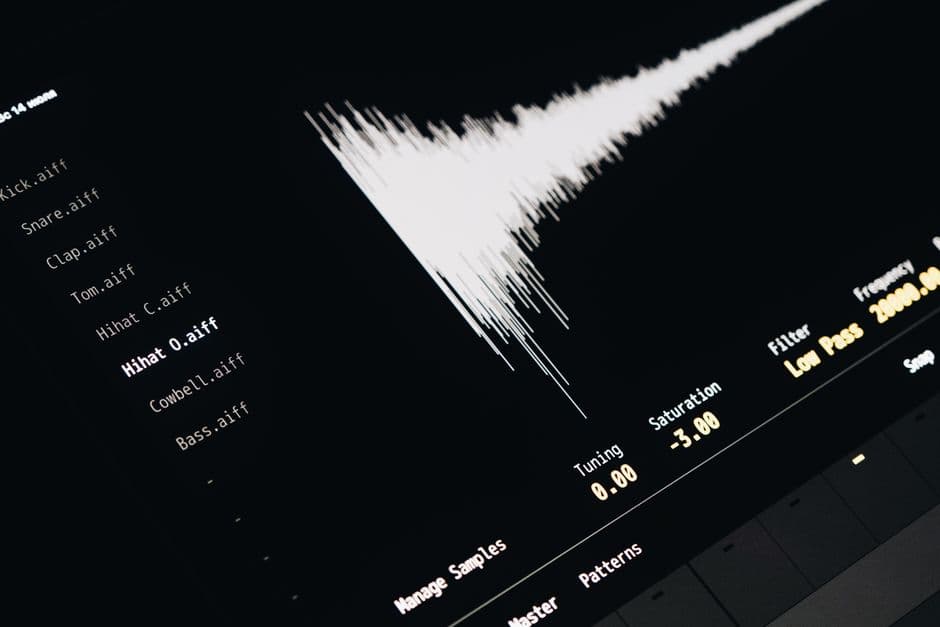
How fast should you play an audiobook?
Almost everyone ends up above 1.0x, and almost everyone gets there badly. Move in small steps, adjust by book, and know which books to slow back down for.

How long does an audiobook actually take?
Every title states its running time and almost nobody converts it into a real commitment. Ten minutes of arithmetic prevents most abandoned books.

Audiobooks for falling asleep
The qualities that make a great bedtime audiobook are almost the opposite of the ones that make a great commuting audiobook, which is why people keep picking wrong.

Audiobooks, ebooks and accessible reading
For a lot of people audio is not a convenience, it is the difference between reading and not reading. Here is what each format offers — including the free services most people have never heard of.

How to borrow ebooks and audiobooks from your library
This is the page on this site that will save you the most money, and we are paid nothing for any of it. Twenty minutes of setup replaces a subscription for a lot of readers.
Audiobooks for kids
Children are a much harder audience than adults: shorter attention, stronger opinions about voices, and no patience for a slow first chapter. Here is how to choose accordingly.

Romance on Kindle Unlimited
If you read romance, this is the subscription that makes most sense — and the reason is not marketing, it is how the genre publishes.
What is actually worth reading on Kindle Unlimited
Lists of titles decay within weeks because the catalog moves. A map of where the catalog is strong stays true, and it is more useful anyway.
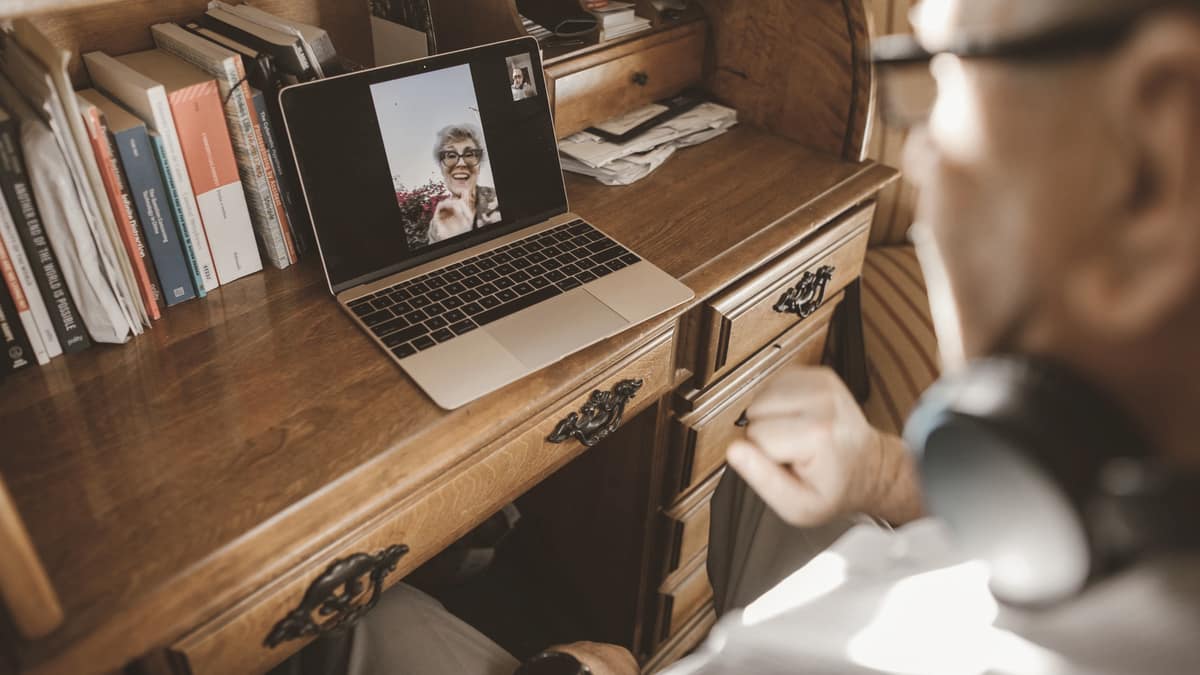
Audiobooks on YouTube
There are two completely different things on YouTube being called free audiobooks, and only one of them is still going to be there when you reach chapter nine.
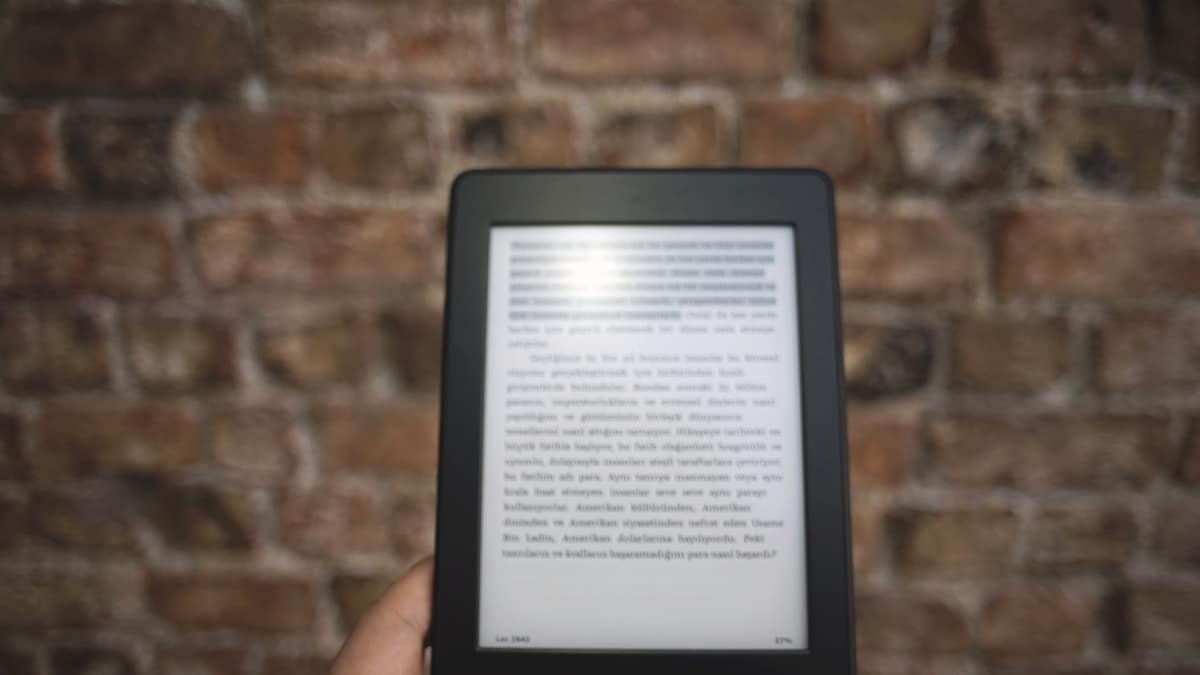
Where free Kindle books actually come from
There is a lot of free reading on a Kindle, and almost none of it needs a subscription. Here is each source, what it costs you in practice, and where it runs out.
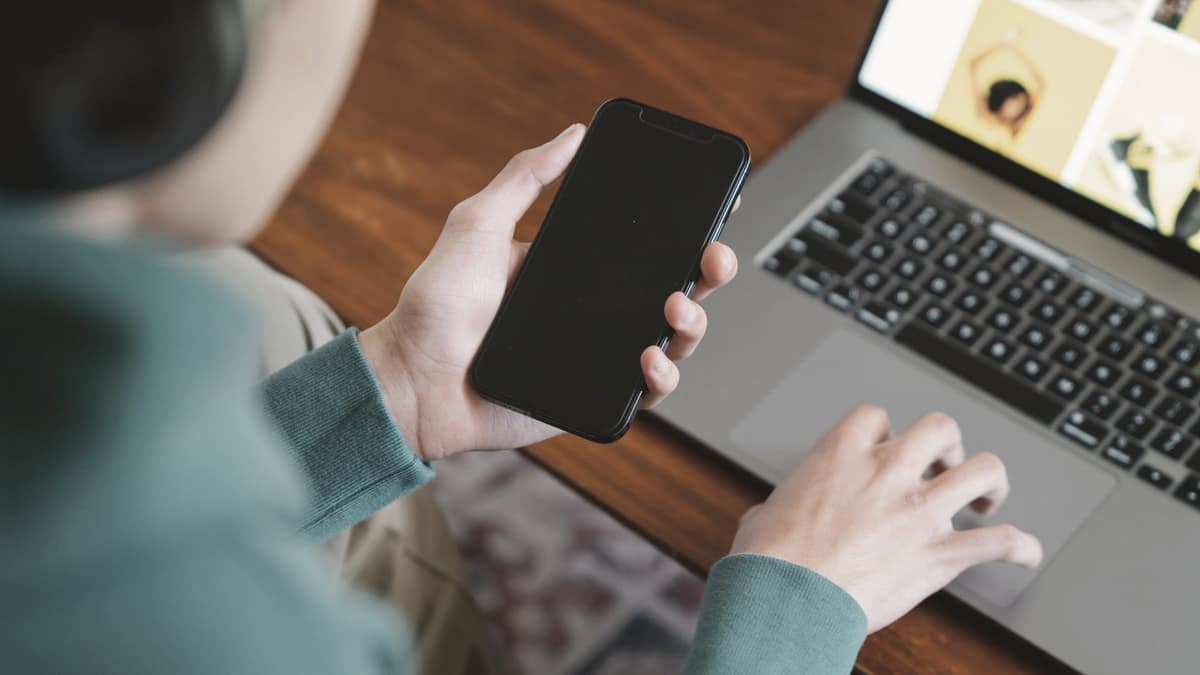
Where to listen: the audiobook apps compared
Most people need two apps, not one — a free one for everything the library has, and a paid one for the gaps. Here is what each is genuinely for.
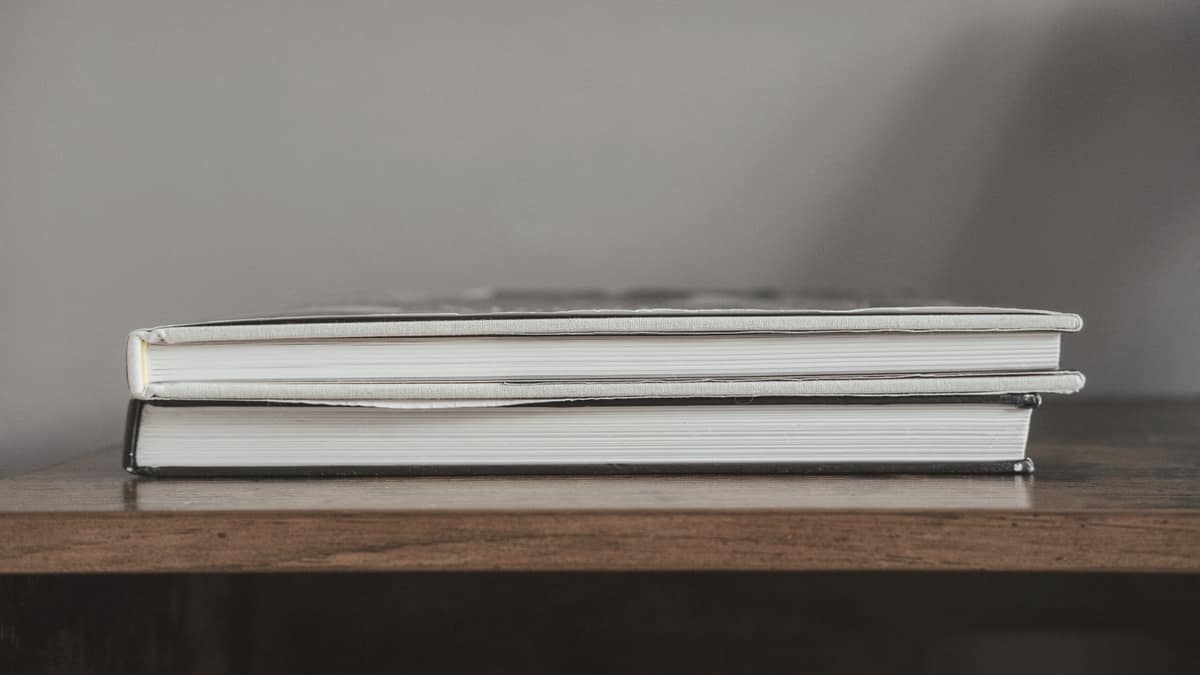
Abridged versus unabridged audiobooks
Unabridged means every word. Abridged means an editor removed some of them. The label is on the listing, and a surprising number of people find it after the fact.

Audiobooks for running and walking
Running is the use case people abandon audiobooks over, usually because they picked something that needed concentration they did not have at mile four.
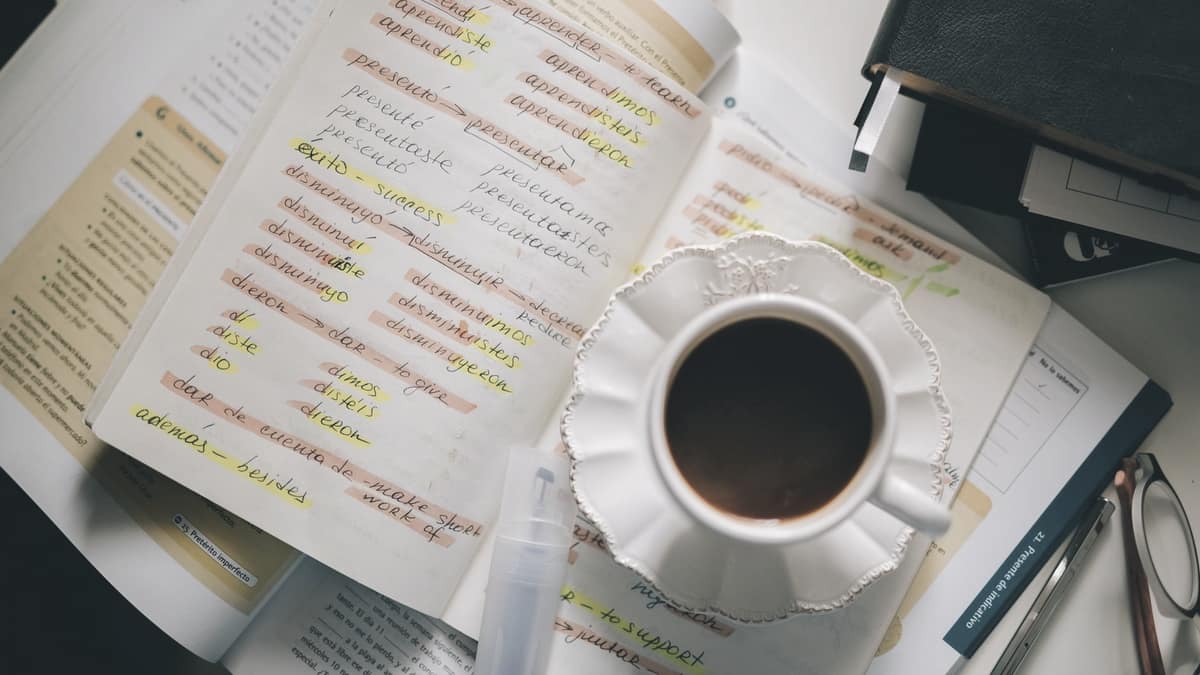
Using audiobooks to learn a language
An audiobook is comprehensible input at a natural speed, which is excellent practice and a terrible way to start from zero. The difference is your current level.

Fantasy on Kindle Unlimited
Independent fantasy — romantasy, progression, LitRPG, long serialized epics — is unusually well covered. The traditionally published classics mostly are not.

Mystery and thrillers on Kindle Unlimited
Cozies are exceptionally well covered. The crime novels on the front table of a bookshop generally are not — and knowing which half you read decides this entirely.
Non-fiction on Kindle Unlimited
This is the category where the answer is mostly no. Worth knowing before you subscribe expecting the books everyone is discussing this year.

Listening to audiobooks while you work
Some work leaves plenty of room for a book and some leaves none, and the dividing line is not how hard the job is. It is whether the job uses words.

How to read more books
Almost nobody reads less because they lack a system. They read less because the book is not to hand at the moments they have, and because finishing a bad one takes weeks.
The free trial will not start, or says you are not eligible
Audible publishes the answer on one help page almost nobody finds, and one of the causes will charge you a full month at the regular price if you get it wrong.

Best gifts for audiobook lovers, by budget
Written for the person buying, not the person listening. Four tiers, from a gift that costs you nothing to one that covers their whole year — and the one question to ask before you spend anything.
Gifts for book lovers who read on a Kindle
The reader in your life reads on a screen. Here is what the digital gifts actually are, which ones they keep, and the one you should probably not buy for someone who has never subscribed.

Gifts for commuters who would rather be reading
An hour each way is five hundred hours a year. The right gift depends on whether they drive or ride, and on two things about their phone you should check before buying anything.
Last-minute gifts for readers and listeners
It is the night before. Everything on this page is digital, arrives by email, and can be sent from the sofa — including one that costs nothing and is still a good present.
Gifts for parents and grandparents who love books
For an older reader, the best gift is often not the subscription but the hour you spend setting it up. Here is what fits, what to check about their account, and how to make it stick.

Gifts for new parents who miss reading
Their hands are full and their eyes are shut. Audiobooks are the one kind of reading that survives a newborn — here is how to give them well, and the case where you should not.
Black Friday and Cyber Monday audiobook and Kindle deals 2026
An honest hub: what discounted in each of the last three Novembers, sourced and dated; what has never discounted; whether to buy now or wait; and the only offers we can verify on the programs' own pages today. Deals are posted here when they go live.

Audible and Kindle Unlimited discounts: what is real and what is not
There is no teacher rate, no military rate and no senior rate published on any page we can read. There are two genuine discounted routes, and both of them run through Prime rather than through the subscriptions themselves.
Audiobooks for older readers
When the print has got too small or holding a hardback has got difficult, audio is the obvious answer. The hard part is not the books — it is getting them onto something that is genuinely easy to use.

Audiobooks when your attention wanders
Half the internet says audiobooks are perfect for ADHD and the other half says they are hopeless. Both are describing real experiences, and the difference between them is mostly mechanical.

Audiobooks for a book club
Half your members will listen rather than read. That is fine, and it only goes wrong in three specific ways — all of which are avoidable if somebody checks before the pick is announced.

Audiobooks and ebooks for coursework
The honest answer first: neither of these subscriptions will get you your set texts or your textbooks. Here is what they are genuinely useful for as a student, and where the cheap academic routes actually are.
Once you know what you want, the decision pages are on Audible and Kindle Unlimited.
Advertising disclosure · we are paid for this
Ready to start a free trial?
New customers only. 30 days free, then it renews automatically at the monthly rate shown at signup unless you cancel first. Terms verified 17 September 2026.
Free trial for eligible customers. Amazon shows the length and the price on the signup page, and the trial converts to a paid month automatically unless you cancel. Terms verified 14 September 2026.
#ad · The link goes straight to Audible's own free-trial signup page and Amazon's Kindle Unlimited signup page, and we are paid a flat fee if you start a qualifying trial there. It costs you nothing extra and it does not change what we conclude on this page. Full disclosure.