Audiobooks for kids
Children are a much harder audience than adults: shorter attention, stronger opinions about voices, and no patience for a slow first chapter. Here is how to choose accordingly.
Advertising disclosure · we are paid for this
New customers only. 30 days free, then it renews automatically at the monthly rate shown at signup unless you cancel first. Terms verified 17 September 2026.
#ad · The link goes straight to Audible's own free-trial signup page, and we are paid a flat fee if you start a qualifying trial there. It costs you nothing extra and it does not change what we conclude on this page. Full disclosure.
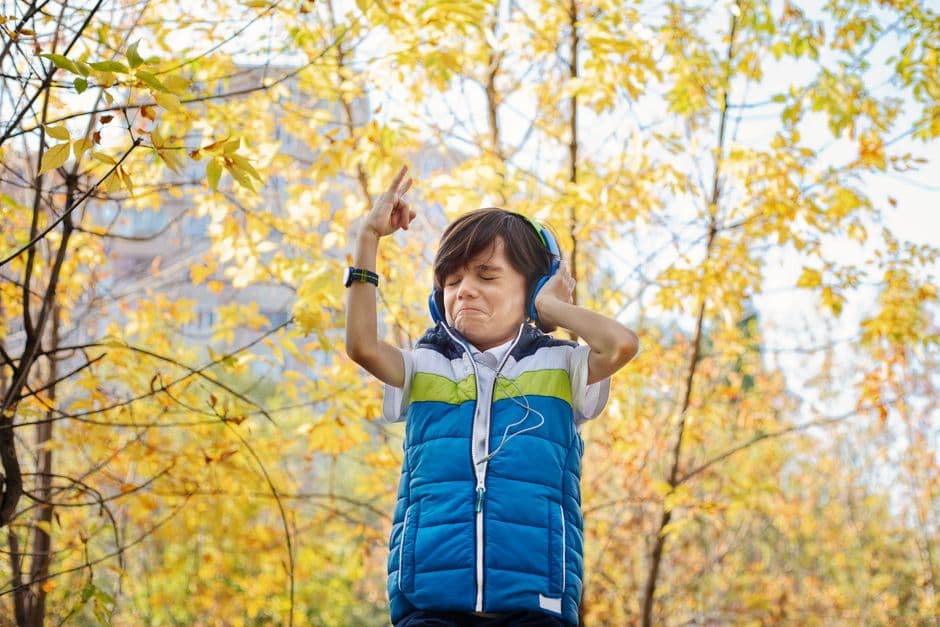
Children are a more demanding audience than adults, and the failure mode is instant and unmistakable — they simply stop listening. That makes the selection criteria sharper and, usefully, more concrete.
The listening-level advantage
The most useful thing to know about children and audio is that listening comprehension runs ahead of reading ability, often by several years. A child who finds a book laborious to decode can follow the same story easily when it is read to them, which means audio opens up books that would otherwise be off the table.
The practical consequence is to choose by interest rather than by reading level. A child fascinated by space, or horses, or a particular series their friends are reading, will follow something well above their own decoding ability, and the interest carries them through.
Chapter length is the real constraint
Total running time matters much less than the shape of the book. A twelve-hour story with twenty-minute chapters works at bedtime and in the car because it offers natural stopping points. A five-hour story with three enormous sections does not, because you are always stopping in the middle of something.
Check the chapter count against the running time before choosing — the general arithmetic is on how long audiobooks actually take.
What holds a child's attention
- Voices that are properly distinct. Children track characters by voice far more than adults do, and a narrator who differentiates clearly is worth more than a famous one who does not.
- Full-cast and dramatized productions. Sound design, music and multiple performers work particularly well for younger listeners, and are excellent in a car where there is nothing to look at.
- Humor, and quickly. A funny opening buys you the first hour. A slow, atmospheric opening will not survive contact with a seven-year-old.
- Familiarity. Children re-listen far more happily than adults. A book they already love is not a waste of a choice; it is the safest choice there is.
Where to get them without paying
Public libraries lend children's audiobooks heavily — it is one of the categories they are strongest in, because it is exactly what libraries exist to do. Through Libby that costs nothing and pays us nothing, and for most families it covers the whole requirement. Setup is on how to borrow from your library, and the other free sources are on where free audiobooks actually come from.
Start there. Children's listening is high-volume and low-commitment — a lot of half-finished books and re-listens — which is precisely the pattern that gets expensive on a per-title basis and costs nothing on a library card.
Sharing and household setup
If you do subscribe, how a household shares an account matters, and the arrangements differ between the reading and listening products. The Audible side is on sharing Audible with a partner or family, and the reading side for children is on Kindle Unlimited for kids.
On the educational claims
You will find a great deal written about audiobooks and literacy, some of it well supported and some of it wishful. What is reasonable to say is that being read to builds vocabulary, sentence structure and a sense of how stories work, and that these support reading. We are not going to go further than that, because we are a books website rather than an education authority — our general position on claims we cannot back is on how we research.
Audible Premium Plus terms verified 17 September 2026 against Audible's own membership pricing block.
Advertising disclosure · we are paid for this
We get a flat fee if you start a qualifying trial through this link. It costs you nothing extra, it does not change what we conclude on this page, and the full disclosure is here.
If the library queues cannot keep up
That is the honest threshold for a family. Exhaust the library first — children's audio is the category it does best.
New customers only. 30 days free, then it renews automatically at the monthly rate shown at signup unless you cancel first. Terms verified 17 September 2026.
#ad · The button goes straight to Audible's own free-trial signup page. The offer you see there is whatever Audible is running at the moment you click, which is why we send you to look rather than printing a number that could be out of date. What we checked, and when, is on how we research.
Common questions
What age can children start listening to audiobooks?
How long should a children's audiobook be?
Are full-cast recordings better for children?
Where can I get children's audiobooks free?
Do audiobooks help children learn to read?
Sources
Everything on this page that states a program term was checked against these pages on the review date above.
Advertising disclosure · we are paid for this
Ready to start a free Audible trial?
New customers only. 30 days free, then it renews automatically at the monthly rate shown at signup unless you cancel first. Terms verified 17 September 2026.
#ad · The link goes straight to Audible's own free-trial signup page, and we are paid a flat fee if you start a qualifying trial there. It costs you nothing extra and it does not change what we conclude on this page. Full disclosure.
Back to everything on Guides.