Compare
Head-to-heads that are willing to end badly for the paid option. Two of the comparisons here regularly conclude that a library card is the better answer.
Advertising disclosure · we are paid for this
New customers only. 30 days free, then it renews automatically at the monthly rate shown at signup unless you cancel first. Terms verified 17 September 2026.
Free trial for eligible customers. Amazon shows the length and the price on the signup page, and the trial converts to a paid month automatically unless you cancel. Terms verified 14 September 2026.
#ad · The link goes straight to Audible's own free-trial signup page and Amazon's Kindle Unlimited signup page, and we are paid a flat fee if you start a qualifying trial there. It costs you nothing extra and it does not change what we conclude on this page. Full disclosure.

Most comparison pages in this category exist to move you toward whichever service pays the writer. These do not, and the easiest way to prove it is that two of the comparisons here frequently conclude in favor of a public library card — which pays us nothing at all.
The comparison that actually matters
People arrive wanting to know whether Audible or Kindle Unlimited is better. It is nearly always the wrong question, because they do different jobs: one is an audiobook membership and the other is an ebook borrowing subscription, and they are billed separately. A commuter and a genre reader are not choosing between two options — they each have one obvious answer and one irrelevant product.
The comparison that decides something is between each subscription and what you would otherwise spend. That is arithmetic, it takes about ten seconds, and it can come out negative. Start with Audible versus Kindle Unlimited to work out which product you are even considering, then run the sum on the relevant decision page.
Format before service
If you have not settled whether you want to read or listen, the service comparison is premature. Reading versus listening is a question about what your week has room for rather than about which format is superior, and the answer is usually visible in your calendar: count the hours where your hands are busy and your attention is free, then count the hours you spend sitting down with nothing else demanding you. Whichever number is bigger is your format.
The free option, treated seriously
Both library comparisons here — Audible versus Libby and Kindle Unlimited versus Libby — start from the position that Libby is free, that we have no relationship with it, and that for a great many readers it is simply the right answer. What you pay a subscription for is not access to books in general; it is immediacy and selection. If your library serves you well and you do not mind a queue, you do not need to buy anything.
The other free options, and the word “unlimited”
Libby is not the only library route. Audible versus hoopla covers the service a lot of libraries offer alongside it, which works on a monthly borrow allowance rather than a hold queue — a genuinely different trade-off worth knowing about before paying for anything.
And because almost every service in this category gets marketed as unlimited listening, what “unlimited audiobooks” actually buys sets out what each one gives you in a month, quoted from the companies themselves. None of them is unlimited. The equivalent round-up for reading is ebook subscriptions compared, which carries prices only where we could read them on the company's own page.
Two things you may already be paying for
Amazon and Spotify both now include audiobook listening in products people already subscribe to, which is how households end up paying twice. Audible versus Amazon Music Unlimited covers the one-audiobook-a-month benefit Amazon attaches to its music subscription, and Audible versus Spotify covers the monthly hours allowance. Check both before adding a third subscription. And if the real question is whether you want a book at all rather than a podcast, audiobooks versus podcasts is the comparison to start with, since podcasts cost nothing.
What a comparison here will and will not tell you
It will not tell you which service has the bigger catalog. Neither Amazon nor Audible publishes a catalog size we could verify against a page we can actually read, both numbers change constantly, and catalog size is the wrong test anyway — what matters is whether the specific books you want are in the one you are paying for. A subscription with two million titles and none of your five is worse value than one with a fraction of that and all five.
It will also not tell you that one service is better than another in the abstract. Every comparison here resolves into a description of the reader each option suits, because that is the only form the answer can honestly take. A commuter and a genre reader looking at the same two products should walk away with opposite conclusions, and a page that gives them both the same verdict has failed one of them.
What it will tell you is what each option verifiably costs and includes, on a date we print, with the source cited — plus the arithmetic to check it against your own habits. Where we could not verify something, the comparison says so rather than quietly filling the gap. The full method is on how we research.
The order to read these in
- Format first. Reading versus listening — because choosing a service before you have chosen a format is how people end up paying for an audiobook subscription they never have time to use.
- Then the free option. Audible versus Libby or Kindle Unlimited versus Libby, depending on the format you landed on. A library card costs nothing and frequently covers everything, and finding that out first saves you a subscription you did not need.
- Then the trials, one at a time. Every audiobook free trial, compared puts all seven offers side by side — what each verifiably contains, which of them leave you owning anything, and the two services with no trial at all because they have no subscription.
- Then the paid head-to-head, if you still need it. Audible versus Kindle Unlimited exists mostly to stop people buying the wrong one of the two — they are separate subscriptions with separate catalogs, and Amazon's shared login makes that far less obvious than it should be.
If a comparison has already settled it for you, both trials start in one click: start your free Audible trial for listening, or try Kindle Unlimited free for reading. Audible's trial is for new customers only, and both convert to a paid month automatically when they end, so set a reminder the day you sign up.
Two comparisons that are about money rather than brands
Most head-to-heads here pit one service against another. Two do not. The cheapest ways to listen to audiobooks ranks every route by what it actually costs — library, public domain, trials, Spotify hours you may already be paying for, Audible's prepaid annual plans, monthly membership, buying outright — with the free ones at the top, where the arithmetic puts them. And the best audiobook subscription for kids compares five routes on the things that actually decide it for a family: whose account it is, what a child can reach, and whether anybody needs to be paying at all.
Everything on Compare
Audible vs Kindle Unlimited
They are separate subscriptions with separate catalogs and separate fees. Holding one gives you nothing on the other, and mixing them up is the most expensive mistake in this category.

Reading vs listening: which format is actually yours?
This is not a question about which is better. It is a question about what your week has room for, and the answer is usually visible in your calendar.

Audible vs Libby
Libby is free and we earn nothing from it. For a lot of readers it is still the right answer, and this page says so.
Kindle Unlimited vs Libby
These two are strong in almost exactly opposite places, which makes the choice unusually clean once you know what you read.
Audible versus Spotify audiobooks
Spotify gives Premium subscribers a monthly allowance of listening hours. Audible gives you a credit. Those are different products, and the right one is decided by how many hours you actually have.

Audible versus Everand
Everand bundles reading and listening under one fee with a set number of monthly unlocks. Audible does one format properly and lets you keep what you buy.
Kindle Unlimited versus Everand
One lends you twenty books at once from a catalog that leans indie. The other gives you a handful of unlocks a month across a much wider store, plus audio.
Audible versus Audiobooks.com
One of these advertises three audiobooks up front. The other tells you what it charges. This comparison is mostly about why the second thing is worth more than the first.

Audible versus Chirp
Chirp is not a subscription at all. It sells discounted audiobooks one at a time, which makes this a comparison between a habit and a shopping trip.
Audible versus Apple Books
Apple charges per title and nothing per month. Audible charges per month and hands you a credit. For an iPhone owner this is a genuine fork, and it is decided by volume.

Audible versus Libro.fm
The books are largely the same. Where the money goes is not. This is one of the few comparisons on this site where the deciding factor is not price or catalog.

Kindle Unlimited versus Kobo Plus
Two all-you-can-read subscriptions with a similar pitch and different homes. The catalogs matter less than which reading ecosystem you are already living in.
Ebooks versus paper books
Not a question of which is better. A question of which one you will actually finish more books on, which depends on where and when you read.
Should you subscribe, or just buy the books?
Every comparison on this site assumes you want a subscription. This is the one that questions the assumption, and for a lot of readers it ends badly for the subscription.

Every audiobook free trial, compared
Seven services, three of which do not need a trial at all because they have no subscription. Here is what each offer verifiably contains, what it costs when it converts, and the order that gets you the most listening for nothing.
Audiobooks versus podcasts
These are not competing products so much as different shapes of listening. One is built for interruption and one is built for immersion, and most people need both.
Audible versus Amazon Music Unlimited
Amazon now bundles an audiobook into its music subscription. It is a genuine benefit and a much smaller one than it sounds, and the difference is worth ten minutes.

Audible versus hoopla
hoopla costs nothing and gives you a monthly number of borrows your library decides. That number, and whether your library offers it at all, decides this comparison.

Ebook subscriptions compared
Four paid services, one free one, and three completely different models hiding behind the same phrase. What each is really selling, with prices only where we could verify them.
Unlimited audiobooks: what the word actually buys
Credits, hours, unlocks and borrow allowances all get marketed as unlimited listening. Here is what each one really gives you in a month, quoted from the companies themselves.

The cheapest ways to listen to audiobooks, in order
Seven routes, ranked by what they really cost rather than by what they pay us. The top two are free, we earn nothing from either, and for a lot of people they are the end of the list.
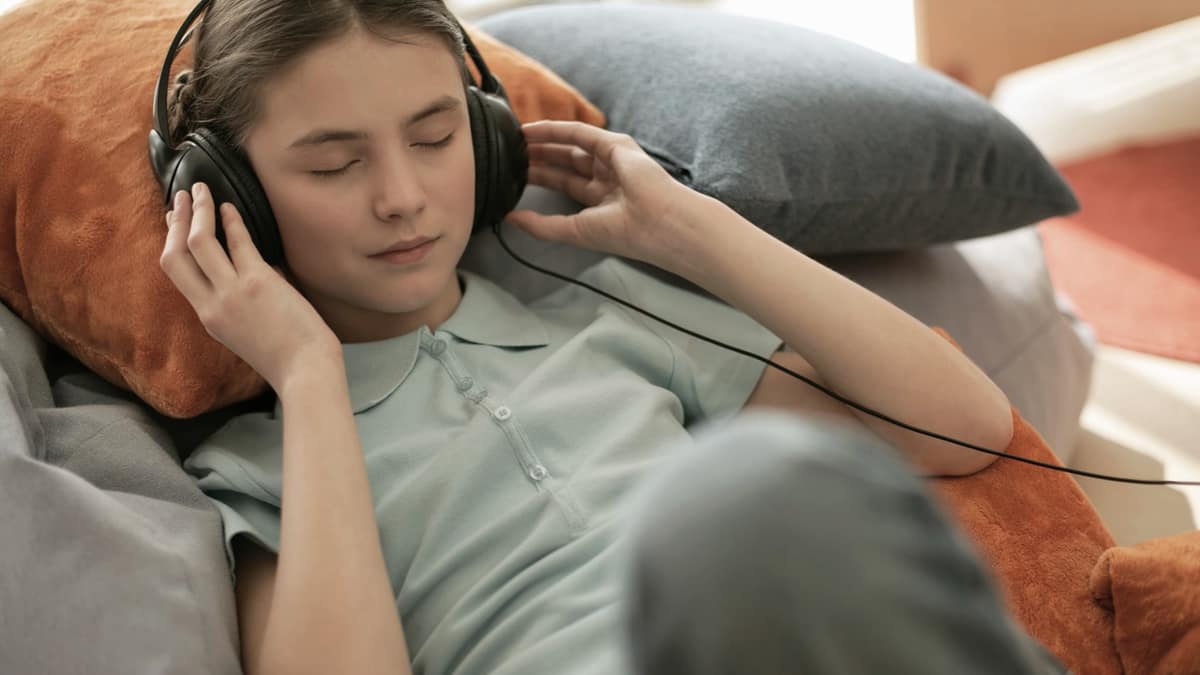
The best audiobook subscription for kids
Five routes compared on the things that actually matter for a child: who controls the account, what stops them finding the wrong book, and whether anybody is paying for it.
Not sure which comparison you need? The two-minute version is on start here.
Advertising disclosure · we are paid for this
Ready to start a free trial?
New customers only. 30 days free, then it renews automatically at the monthly rate shown at signup unless you cancel first. Terms verified 17 September 2026.
Free trial for eligible customers. Amazon shows the length and the price on the signup page, and the trial converts to a paid month automatically unless you cancel. Terms verified 14 September 2026.
#ad · The link goes straight to Audible's own free-trial signup page and Amazon's Kindle Unlimited signup page, and we are paid a flat fee if you start a qualifying trial there. It costs you nothing extra and it does not change what we conclude on this page. Full disclosure.