Using audiobooks to learn a language
An audiobook is comprehensible input at a natural speed, which is excellent practice and a terrible way to start from zero. The difference is your current level.
Advertising disclosure · we are paid for this
New customers only. 30 days free, then it renews automatically at the monthly rate shown at signup unless you cancel first. Terms verified 17 September 2026.
Free trial for eligible customers. Amazon shows the length and the price on the signup page, and the trial converts to a paid month automatically unless you cancel. Terms verified 14 September 2026.
#ad · The link goes straight to Audible's own free-trial signup page and Amazon's Kindle Unlimited signup page, and we are paid a flat fee if you start a qualifying trial there. It costs you nothing extra and it does not change what we conclude on this page. Full disclosure.
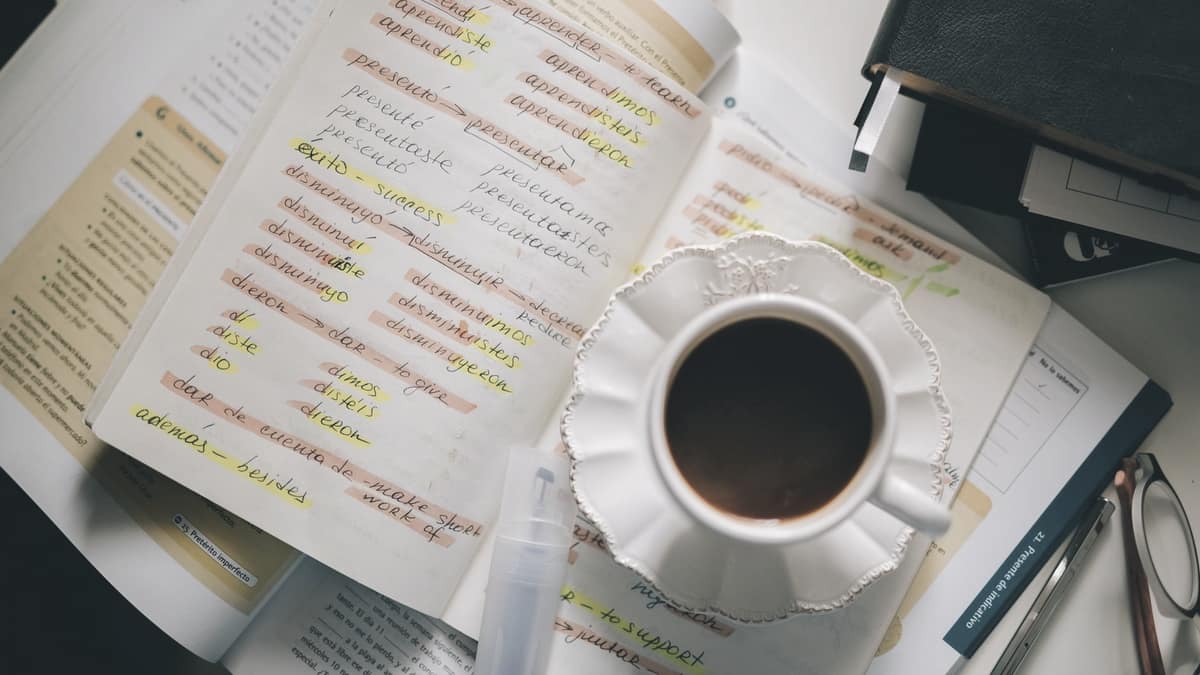
An audiobook in a language you are learning is a large amount of native-speed listening practice, delivered by a professional reader, for the cost of one book. That is genuinely useful. It is also useless before a certain point, and understanding where that point sits saves you from concluding you are bad at languages when you were only using the wrong tool.
What an audiobook actually trains
Three things, all of which classroom study tends to under-serve. The first is parsing speed — recognizing words fast enough to keep up with a speaker who is not slowing down for you. The second is prosody: the rhythm, stress and intonation that make a language sound like itself and which are close to invisible on a page. The third is sheer volume of exposure, because listening comprehension improves mostly through hours.
What it does not train is production. You will not learn to speak from listening alone, and you will not learn grammar you have never been taught. Treat it as the reading equivalent of putting in miles: it builds a capacity, and something else has to give it structure.
The level you need first
The honest threshold is the ability to follow the gist of a paragraph without stopping. If you are pausing every sentence to work something out, the material is above you and the session becomes a series of interruptions rather than listening practice.
That does not mean you understand everything. Missing a quarter of the words while following the story is close to ideal, because the context does the teaching. Missing three quarters is not learning, it is ambient noise in a foreign language.
Choosing material that is actually usable
Three categories tend to work, and one that people reach for first tends not to.
- Books you already know. A novel you have read in your own language removes the plot from the workload entirely. All your attention goes to the words.
- Children's and young-adult fiction. Written in a controlled vocabulary range with simpler sentence structures, and not written down to the reader, which matters for staying interested.
- Short non-fiction on a subject you know. Domain knowledge does the same job as a familiar plot, and technical vocabulary is often transparent between languages.
- Not literary fiction by a major stylist. The exact books recommended as “good for learning” because they are famous are usually the hardest, because ambitious prose is ambitious in any language.
Length is the other filter. A three-hour book you finish teaches more than a twenty-hour one you abandon, and finishing is a real part of this — how long audiobooks actually take is worth a look before committing to something enormous in a language you are still building.
How to run a session
Short and repeated beats long and occasional. Twenty minutes of the same chapter, three times, does more than an hour of new material, because the second and third passes are where the words you missed resolve.
Speed is a tool rather than a badge. Dropping to around 0.8x while your ear adjusts is sensible, provided you come back — the whole point is to understand people speaking normally. Audiobook playback speed covers what the control actually changes and why extreme settings stop helping.
Resist the urge to look up every word. Note two or three per session and move on; the rest will either resolve from context on the next pass or turn out not to matter. Stopping constantly converts listening practice into dictionary practice, and only one of those is the skill you are short of.
Where the catalogs actually help
Availability is the practical constraint, and it varies enormously by language. Major European languages are well served on the large audiobook stores; smaller languages are patchy anywhere. Before paying for anything, search the specific language in the specific catalog and see what comes back — the method on how to check what is in the catalog works for this too.
Your library is worth checking first, as usual, and public-domain recordings cover classics in several languages at no cost. Where free audiobooks actually come from lists the routes. If the language you want is thinly covered everywhere, no subscription solves that, and we would rather say so.
Advertising disclosure · we are paid for this
We get a flat fee if you start a qualifying trial through this link. It costs you nothing extra, it does not change what we conclude on this page, and the full disclosure is here.
If the material you want is behind a store
Search the language first and confirm the titles exist before starting anything. If they do, a trial is a low-cost way to test the read-and-listen method on a real book. Terms, and the date we last checked them, are on our Audible free trial page; the Kindle Unlimited trial is the equivalent if it is the text side you need.
New customers only. 30 days free, then it renews automatically at the monthly rate shown at signup unless you cancel first. Terms verified 17 September 2026.
#ad · The button goes straight to Audible's own free-trial signup page. The offer you see there is whatever Audible is running at the moment you click, which is why we send you to look rather than printing a number that could be out of date. What we checked, and when, is on how we research.
Common questions
Can you learn a language from audiobooks?
What level do I need before audiobooks help?
Should I read along while I listen?
Is it better to slow the audio down?
What kind of book should I start with?
Sources
Everything on this page that states a program term was checked against these pages on the review date above.
Advertising disclosure · we are paid for this
Ready to start a free trial?
New customers only. 30 days free, then it renews automatically at the monthly rate shown at signup unless you cancel first. Terms verified 17 September 2026.
Free trial for eligible customers. Amazon shows the length and the price on the signup page, and the trial converts to a paid month automatically unless you cancel. Terms verified 14 September 2026.
#ad · The link goes straight to Audible's own free-trial signup page and Amazon's Kindle Unlimited signup page, and we are paid a flat fee if you start a qualifying trial there. It costs you nothing extra and it does not change what we conclude on this page. Full disclosure.
Back to everything on Guides.